

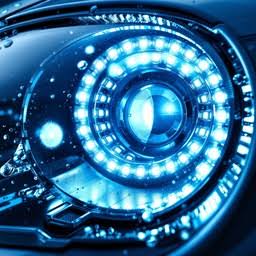

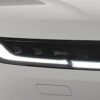
Pixel headlights
Precision Lighting with Millions of Micro-LEDs
Pixel headlights use thousands of individually controllable LED chips per module. Each Pixel headlight can switch on or off within microseconds. Consequently, this Pixel headlight creates ultra-precise light distributions for any driving scenario. The system projects a continuous high beam without blinding other road users. It detects oncoming vehicles and pedestrians through a forward-facing camera. The headlight then masks out the exact areas containing those objects. Meanwhile, it illuminates all remaining road sections with maximum intensity. This pixel-level control outperforms conventional matrix systems by a wide margin. The resolution reaches up to 1.3 million pixels per headlight. Therefore, drivers enjoy exceptional visibility in every condition.
Intelligent Glare-Free High Beam Operation
The Pixel headlights automatically adjust their beam pattern at highway speeds. They widen the light cone during cornering to improve curve visibility. Furthermore, they narrow the beam in foggy weather to reduce backscatter. The system also recognizes road signs and avoids glaring reflections. It dims specific pixels that would otherwise hit reflective surfaces. This feature prevents temporary blindness from wet road markings. Moreover, the headlights respond to traffic density in real time. They increase illumination on empty roads and reduce it in congested areas. The driver never needs to manually switch between low and high beams. Consequently, it remove the cognitive load of light management. The entire process happens seamlessly and unconsciously.
Dynamic Projections for Communication and Guidance
Beyond simple illumination, Pixel headlights project symbols onto the road surface. They display navigation arrows that point toward the next turn. They also paint a virtual lane width during narrow passages. For pedestrian crossings, the headlights project a zebra-stripe pattern. This visual cue signals the driver’s intention to yield. Additionally, the system projects a countdown timer for traffic light changes. It shows the remaining green phase in large numerals on the asphalt. These projections help drivers make better timing decisions. The headlights also communicate with other vehicles via light pulses. For example, they flash a “thank you” pattern after a courteous merge. This human-like interaction builds trust among road users.
Adaptive Weather and Terrain Modes
The Pixel headlights feature dedicated modes for rain, snow, and off-road use. In rainy conditions, they reduce the upper beam to minimize water glare. They also enhance lateral lighting to illuminate wet curbs. In snowy environments, they shift the color temperature to a warmer hue. This change improves contrast against white backgrounds. For mountain roads, the headlights tilt upward to increase forward reach. They also widen the beam to cover hairpin turns effectively. The system stores driver preferences for each terrain type. It automatically selects the appropriate mode based on GPS data. Consequently, it adapt proactively rather than reactively. This intelligence enhances both safety and driving pleasure.
Future Integration and Software-Defined Lighting
Future iterations of Pixel headlights will incorporate vehicle-to-everything (V2X) communication. They will receive data about upcoming intersections and hazards. The headlights will then preemptively illuminate those areas. Over-the-air updates will introduce new projection animations and patterns. Manufacturers will also offer custom light signatures for personal branding. The hardware remains robust with active cooling and self-cleaning lenses. Diagnostic sensors monitor each pixel’s health continuously. They alert the driver if any cluster requires replacement. Ultimately, it revolutionize nighttime driving experience. They transform headlights from simple tools into intelligent assistants. This technology continues to evolve rapidly and promises even more capabilities ahead.
| Car Model | Defender 2020+ |
|---|
Be the first to review “Pixel headlights”
Related products
OEM Retrofits

OEM Retrofits
OEM Retrofits
OEM Retrofits
OEM Retrofits
OEM Retrofits
OEM Retrofits
OEM Retrofits
Reviews
There are no reviews yet.