

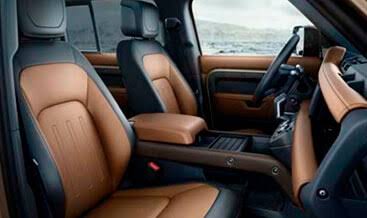

Different type of seats installation
Standard Front Seat Installation Process
Different type of seats installation begins with removing the existing seat rails carefully. This Different type of seats installation requires specific tools for each vehicle model. Consequently, this Different type of seats installation ensures proper alignment with the floor mounting points. Technicians first disconnect the battery to prevent airbag deployment. They then unbolt the four securing nuts holding the seat in place. After lifting the seat out, they inspect the floor harness connectors. The new seat slides onto the existing rail system smoothly. The installer then torques all bolts to the manufacturer’s specifications precisely. Finally, they reconnect the electrical connectors for power functions.
Power Seat Electrical Integration
Electric seats demand careful wiring during different type of seats installation. The installer connects the main power feed and ground wires securely. They also link the seat memory module to the vehicle’s CAN bus system. This connection enables driver profile storage and recall functions. Furthermore, the installer routes heating element wires to the climate control module. They test each function before securing the trim panels. The seat moves forward, backward, and reclines without hesitation. The lumbar support and massage functions also operate correctly. The system stores fault codes if any connection fails. Consequently, the installer verifies all settings through the diagnostic tool.
Sports Seat and Performance Variants
Different type of seats installation for sports seats uses reinforced mounting brackets. These brackets provide additional rigidity for aggressive driving conditions. The installer tightens the bolts to higher torque values than standard seats. Sports seats often feature integrated side airbags and belt pretensioners. The installer connects these safety components with special care. Moreover, the seat includes larger bolsters that require extra clearance. The installer checks for interference with the center console or door panels. They adjust the seat position through its full range of motion. This verification prevents rubbing or binding during operation. The system also calibrates the seat’s occupancy sensor for airbag deployment.
Quick-Release and Modular Seat Systems
Some vehicles feature quick-release mechanisms for different type of seats installation. These systems allow rapid seat removal for cargo or accessory mounting. The installer simply pulls a release lever and lifts the seat out. No tools are required for removal or reinstallation in these systems. However, the installer must ensure the locking pins engage fully. This prevents accidental detachment during driving. Modular seat systems also offer interchangeable bases and backs. The installer can swap different cushion types without replacing the entire frame. This flexibility accommodates various comfort or style preferences. The system also includes color-coded connectors for error-free installation.
Final Inspection and Safety Checks
After different type of seats installation, the technician performs a comprehensive function test. They check all power adjustments, heating, cooling, and massage operations. They also verify the seat belt buckles and child seat anchors. The installer ensures the seat does not wobble or shift under pressure. They test the seat’s fore-aft and recline movements thoroughly. The final step involves a road test for rattles or squeaks. The system stores the installation date for warranty tracking purposes. Ultimately, it transforms the vehicle’s interior comfort. It allows owners to upgrade their driving experience significantly. The process requires patience, precision, and proper technical knowledge.
| Car Model | Evoque 2021+ |
|---|
Be the first to review “Different type of seats installation”
Related products
OEM Retrofits
OEM Retrofits
OEM Retrofits

OEM Retrofits
OEM Retrofits
OEM Retrofits
OEM Retrofits
OEM Retrofits
Reviews
There are no reviews yet.