

The Core Principle of Cabin Air Ionisation with PM2.5 Filter
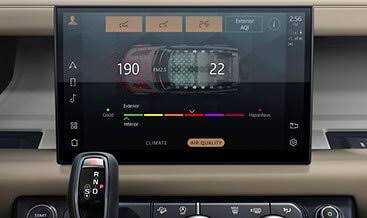
Cabin air ionisation with a PM2.5 filter actively improves the vehicle’s interior atmosphere. This system first traps microscopic dust and smoke using the PM2.5 filter. Then cabin air ionisation releases negative ions to charge remaining fine particles. Cabin air ionisation with a PM2.5 filter thus tackles both large and ultrafine contaminants. The filter catches visible pollutants, while ionisation neutralises odours and bacteria. Together, they create a comprehensive defence against harmful aerosols. Drivers experience fresher air and fewer allergy triggers instantly. This dual-action technology outperforms simple filtration alone. Cabin air ionisation with a PM2.5 filter represents a major step forward for occupant health.
How Ionisation Complements Mechanical Filtration
Mechanical filtration alone cannot trap all ultrafine particles. The PM2.5 filter stops particles larger than 2.5 micrometres effectively. However, smaller viruses and volatile compounds slip through easily. Ionisation fills this gap by emitting high-voltage electrons. These electrons attach to floating contaminants and give them a charge. Charged particles then cluster together and become heavier. The PM2.5 filter later captures these larger clusters with greater ease. This synergy boosts overall removal rates significantly. Ionisation also breaks down formaldehyde and other gases chemically. The filter then removes the resulting byproducts safely. Consequently, the system reduces both solid and gaseous pollutants thoroughly.
Health Benefits and Real-World Performance
This combination delivers tangible health improvements for all passengers. Cabin air ionisation reduces airborne bacteria and mould spores actively. The PM2.5 filter lowers respiratory irritation from traffic smog. Studies show that this system cuts PM2.5 levels by over 95% in minutes. Ionisation further deactivates viruses by damaging their protein shells. Passengers report fewer headaches and less fatigue on long trips. Allergy sufferers notice immediate relief from pollen and dust mites. The system operates silently and requires minimal maintenance. Drivers only need to replace the filter periodically. Ionisation modules last for many years without replacement. Therefore, this technology offers long-term value and peace of mind.
Operational Considerations and Energy Efficiency
The system draws very little power from the vehicle’s battery. Cabin air ionisation consumes less than 5 watts during normal use. The PM2.5 filter creates slight airflow resistance but remains efficient. Modern designs integrate the ioniser directly into the HVAC unit. This placement ensures even distribution throughout the cabin space. Users can activate or deactivate ionisation independently via controls. Some systems adjust ion output based on real-time air quality sensors. These sensors detect particle spikes and boost performance automatically. The filter requires changing every 12 to 18 months typically. Ionisation continues working effectively even as the filter ages. Hence, the total cost of ownership stays reasonably low.
Future Trends in Cabin Air Purification
Manufacturers now combine ionisation with activated carbon and HEPA layers. Cabin air ionisation with a PM2.5 filter will soon become standard equipment. Emerging technologies use photocatalytic oxidation alongside ionisation for extra power. Smart systems will sync with external pollution forecasts via GPS. They will pre-purify the cabin before the driver even enters. Wireless updates will optimise ionisation patterns for different climates. The filter materials will evolve to capture even smaller nanoparticles. Ultimately, cabin air ionisation with a PM2.5 filter paves the way for zero-pollen cabins. This innovation aligns with growing consumer demand for wellness-focused mobility.
| Car Model | Defender 2020+ |
|---|
Be the first to review “Cabin Air Ionisation with PM2.5 filter”
Related products
OEM Retrofits
OEM Retrofits
OEM Retrofits

OEM Retrofits
OEM Retrofits
OEM Retrofits
OEM Retrofits
OEM Retrofits
Reviews
There are no reviews yet.